Nashville homeowners know that windows do more than frame a view, they guard against stifling summer heat, keep winter drafts at bay, and quietly drain energy budgets when they fail. Old, leaky windows don’t just compromise comfort: they inflate utility bills and drag down property value. With energy codes tightening and Nashville’s housing market staying competitive, replacing outdated windows has shifted from a “someday” project to a strategic upgrade. Whether vinyl, fiberglass, or wood, today’s window technology delivers measurable returns in efficiency and curb appeal. This guide walks through costs, climate-specific choices, contractor vetting, and permit requirements so Nashville homeowners can tackle window replacement Nashville TN projects with confidence.
Table of Contents
ToggleKey Takeaways
- Window replacement in Nashville typically costs $450–$900 per window installed for full-frame work, with fiberglass and aluminum-clad wood offering superior durability in the region’s humid, temperature-variable climate.
- Choosing ENERGY STAR-certified windows with U-factor ≤ 0.30 and SHGC ≤ 0.40 aligns with Nashville’s Climate Zone 4A requirements and can reduce cooling costs by 25–30%.
- Full-frame window replacement recoups 70–80% of its cost at resale and significantly improves property value in competitive Nashville neighborhoods like East Nashville and Green Hills.
- Vet contractors carefully by verifying Tennessee home improvement licenses, checking references, obtaining three itemized bids, and asking about air-sealing methods and warranty coverage to avoid installation errors.
- Nashville homeowners may qualify for TVA eScore rebates up to $350 and federal tax credits of 30% (up to $600 annually) for ENERGY STAR windows, plus potential financing at 0% APR for 12–24 months.
- DIY insert replacement can save $150–$300 per window in labor, but full-frame replacement requires professional expertise to ensure proper flashing and prevent water damage in Nashville’s high-rainfall climate.
Why Nashville Homeowners Are Prioritizing Window Replacement
Nashville’s climate swings hard, July averages near 90°F with oppressive humidity, while January dips into the low 30s. Single-pane windows and worn weatherstripping let conditioned air escape year-round, forcing HVAC systems to work overtime.
Energy loss is the top driver. The U.S. Department of Energy estimates that heat gain and loss through windows accounts for 25–30% of residential heating and cooling energy use. In Nashville’s hot, humid summers, old windows with poor Low-E coatings or failed seals turn homes into greenhouses.
Resale value matters, too. Buyers in competitive neighborhoods like East Nashville, Germantown, and Green Hills expect updated windows. A full window replacement typically recoups 70–80% of its cost at resale, according to Remodeling Magazine’s Cost vs. Value report.
Noise reduction is another factor. Homes near Broadway, I-40, or the airport benefit from dual-pane or laminated glass, which dampens sound transmission significantly compared to single-pane units.
Finally, safety and functionality drive replacements. Painted-shut sashes, broken locks, and rotted sills aren’t just inconvenient, they’re code violations and security risks. If a window can’t open, it can’t serve as an emergency egress, which is required by the International Residential Code (IRC) for bedrooms.
Understanding Window Replacement Costs in Nashville
Budget planning starts with realistic numbers. In Nashville, full-frame window replacement (removing the entire unit down to the rough opening) typically runs $450–$900 per window installed, depending on material, size, and features. Insert replacements (fitting a new sash into the existing frame) cost less, around $300–$600 per window, but only work if the frame is square, sound, and not water-damaged.
Material choice drives price:
- Vinyl windows: $350–$650 installed. Low maintenance, good insulation, but limited color options and can warp in extreme heat.
- Fiberglass windows: $500–$900 installed. Superior durability, better paint adhesion, and excellent thermal performance. Worth the premium in Nashville’s temperature swings.
- Wood windows: $700–$1,200+ installed. Classic aesthetics, top insulation, but require regular painting or staining and aren’t ideal for humid climates without clad exteriors.
- Aluminum-clad wood: $800–$1,400 installed. Combines wood interiors with durable aluminum exteriors. Best for historic homes needing period accuracy with modern weather resistance.
Size and style also matter. Standard double-hung windows are cheapest: casements, bays, and picture windows cost 20–50% more due to hardware and installation complexity.
For a typical Nashville home with 12–15 windows, expect a total project cost of $6,000–$13,500. High-end materials, custom sizes, or structural repairs (rotted sills, header replacement) push costs higher. Always get three itemized bids and verify whether pricing includes disposal, trim work, and warranty registration.
Choosing the Right Window Types for Nashville’s Climate
Nashville sits in IECC Climate Zone 4A (mixed-humid), which means windows need to handle both cooling loads in summer and moderate heating in winter. The ENERGY STAR recommendations for this zone specify U-factor ≤ 0.30 and SHGC (Solar Heat Gain Coefficient) ≤ 0.40.
U-factor measures insulation: lower is better. Double-pane windows with argon or krypton gas fill hit 0.25–0.30, while triple-pane units can reach 0.15–0.20. Triple-pane is overkill for Nashville unless facing extreme west exposure or near the airport noise corridor.
SHGC measures how much solar heat passes through. In Nashville’s sunny summers, a lower SHGC (0.25–0.35) reduces cooling costs. Look for Low-E coatings, microscopically thin metallic layers that reflect infrared heat while allowing visible light through. Low-E² or Low-E³ coatings are standard on quality vinyl and fiberglass windows.
Frame material performance:
- Vinyl: Expands and contracts with temperature. Choose fusion-welded corners, not screwed, and multi-chamber extrusions for rigidity.
- Fiberglass: Eight times stronger than vinyl, minimal expansion, and can be painted any color. Brands like Marvin Integrity and Pella Impervia perform well in Nashville’s climate.
- Wood: Excellent insulation but requires maintenance. Pair with aluminum or vinyl cladding on the exterior to prevent rot from Nashville’s average 47 inches of annual rainfall.
Hardware and operation: Casement and awning windows (hinged, crank-operated) seal tighter than double-hungs and offer better ventilation control. They’re ideal for bathrooms and kitchens. Double-hungs are standard for bedrooms due to egress requirements, both sashes should tilt in for cleaning, and the opening must meet IRC egress minimums (5.7 sq ft area, 24″ width, 20″ height).
Finding the Best Window Replacement Contractors in Nashville
Vetting contractors separates a smooth install from a nightmare. Start by checking licensing and insurance. Tennessee requires contractors doing jobs over $25,000 to hold a state Home Improvement License. For smaller jobs, verify general liability and workers’ comp coverage, ask for certificates of insurance and call the issuer to confirm active policies.
References and reviews matter. Platforms like Angi’s List for Nashville window pros compile verified customer reviews and ratings. Look for patterns: Do past clients mention cleanup, timeline adherence, and trim work quality? Red flags include vague contracts, cash-only deals, and pressure to sign same-day.
Get three written bids with identical specs (same window brand, model, Low-E coating, and installation method). Bids should itemize labor, materials, disposal, flashing, insulation, interior/exterior trim, and warranty terms. Beware of outliers, if one bid is 40% lower, the contractor may be cutting corners on flashing, using inferior fasteners, or skipping air-sealing.
Ask specific questions:
- “Do you remove and replace exterior trim, or cut around it?” (Cutting around old trim traps moisture and looks sloppy.)
- “What’s your air-sealing method?” (Low-expansion foam is standard: high-expansion foam can bow frames.)
- “Who performs the actual install, employees or subs?” (Subs aren’t inherently bad, but accountability gets murky.)
- “What’s the warranty on labor vs. product?” (Manufacturer warranties cover defects: labor warranties cover installation errors. Look for at least 2 years on labor.)
Schedule site visits. A good contractor measures every opening, checks for rot or structural issues, and discusses flashing details. If they quote over the phone without seeing the house, walk away.
DIY vs. Professional Window Replacement: What Nashville Homeowners Should Know
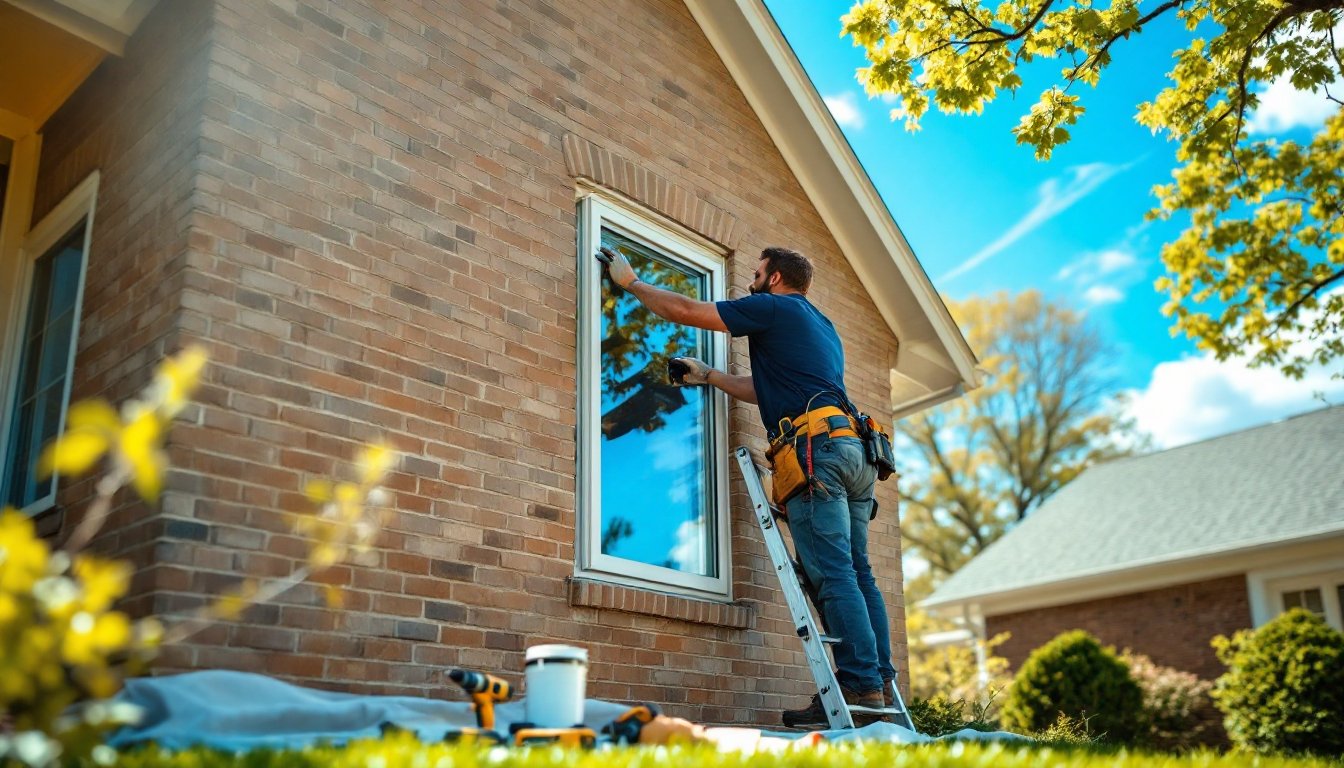
Insert replacement (also called pocket replacement) is the most DIY-friendly option. It involves removing the old sashes and installing a new window unit inside the existing frame. If the frame is square, level, and rot-free, a moderately skilled homeowner can handle this.
Skill and tools required:
- Measuring: Each opening must be measured at three points (top, middle, bottom) for width and height. Order windows 1/4″–1/2″ smaller than the smallest measurement.
- Tools: Pry bar, reciprocating saw or oscillating multi-tool, drill/driver, level (4-foot minimum), caulk gun, and low-expansion foam.
- Time: Budget 2–4 hours per window for a first-timer, including prep and cleanup.
Full-frame replacement is a different beast. It requires removing interior and exterior trim, cutting nails or screws holding the old frame, installing new flashing and weather-resistant barrier (like Tyvek or Zip System sheathing tape), shimming the new frame level and plumb, and reinstalling or fabricating new trim. This is structural work, if you mis-flash a window, water infiltration can rot wall studs and sheathing within months. Nashville’s heavy rain and humidity accelerate decay.
When to hire a pro:
- Second-story or higher windows: Fall protection and scaffold rental negate DIY savings.
- Brick or stone cladding: Cutting masonry and re-sealing requires specialized tools and skills.
- Load-bearing walls or headers: Replacing a large picture window or bay may require temporary support and engineered headers.
- Permit-required jobs: (See next section.) If the city requires a permit, inspectors expect code-compliant work, and DIY mistakes can fail inspection.
Cost savings: DIY insert replacement saves roughly $150–$300 per window in labor. For a 12-window project, that’s $1,800–$3,600, meaningful, but only if you have the time, tools, and confidence to do it right. Professional guidance from sites like Bob Vila can help DIYers assess whether their skill level matches the task.
Permits, Rebates, and Incentives for Window Replacement in Nashville
Permits: Nashville’s Metropolitan Codes Department generally does not require a permit for like-for-like window replacement if you’re not altering the opening size or removing structural members. But, if you’re enlarging an opening, installing a new header, or cutting into a load-bearing wall, you need a building permit. Call 615-862-6590 or check the Metro Codes website to confirm before starting work. Unlicensed work can complicate insurance claims and resale.
Energy rebates and incentives:
- TVA (Tennessee Valley Authority) eScore Program: Offers rebates up to $350 for qualifying ENERGY STAR window replacements when part of a whole-home upgrade. Requires a pre- and post-installation energy audit.
- Federal Tax Credits: The Inflation Reduction Act extends a 30% tax credit (up to $600 annually) for ENERGY STAR-certified windows and doors installed through 2032. Windows must meet ENERGY STAR Most Efficient criteria (U-factor ≤ 0.25, SHGC ≤ 0.25 in southern zones). Save manufacturer certifications and receipts.
- Utility Programs: Nashville Electric Service (NES) occasionally runs seasonal promotions. Check their website or call customer service for current offers.
Historic district considerations: Homes in historic overlays (like Edgefield or Lockeland Springs) may face design review requirements. The Metro Historical Commission reviews exterior changes for appropriateness. Vinyl windows are often discouraged: wood or aluminum-clad wood windows that match original profiles are preferred. Submit a Certificate of Appropriateness (COA) application before ordering materials.
Financing: Some contractors partner with lenders offering 0% APR financing for 12–24 months on projects over $5,000. Read the fine print, deferred interest can retroactively apply if not paid in full by the promotional period’s end. Platforms like HomeAdvisor offer project cost calculators and contractor matching, which can streamline budgeting and vendor selection.
Conclusion
Window replacement in Nashville isn’t just about aesthetics, it’s a tangible investment in energy efficiency, comfort, and resale value. Prioritize climate-appropriate specs (U-factor ≤ 0.30, Low-E coatings), vet contractors with the same rigor you’d apply to any major trade, and don’t skip permits or rebates that put money back in your pocket. Whether tackling insert replacements solo or hiring pros for full-frame installs, informed decisions today prevent costly callbacks tomorrow.