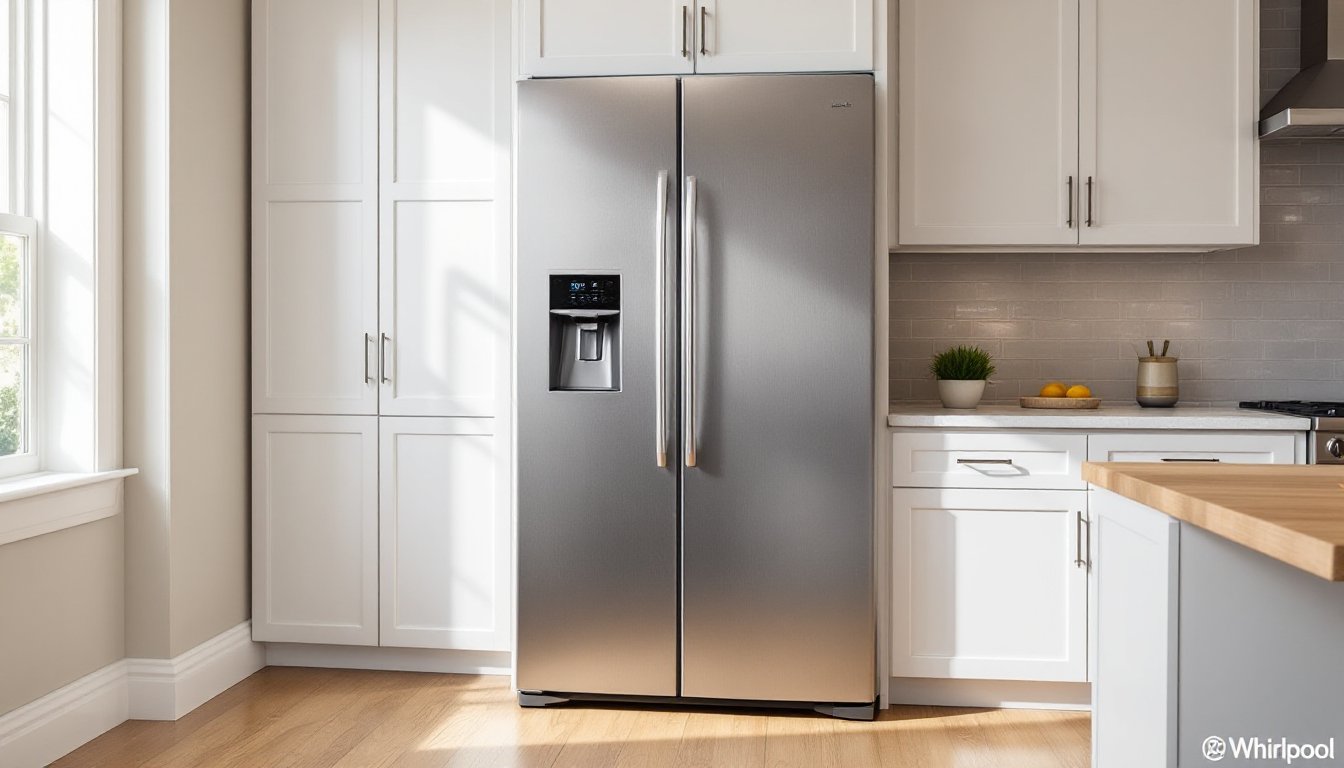
Shopping for a side-by-side refrigerator means balancing capacity, footprint, and functionality, especially in kitchens where space is tight but storage demands are high. The Whirlpool 21.4-cu ft side-by-side refrigerator (model WRS321SDHZ) sits in that sweet spot for mid-sized households: roomy enough for weekly grocery hauls, narrow enough to fit standard kitchen layouts without a full remodel. This guide walks through what this appliance delivers in real-world use, from shelf configuration and cooling performance to installation clearances and long-term upkeep. Whether you’re replacing a dying fridge or upgrading from a top-freezer model, you’ll know exactly what to expect before delivery day.
Table of Contents
ToggleKey Takeaways
- The Whirlpool 21.4-cu ft side-by-side refrigerator fits standard 33-inch cabinet openings with 14 cu ft of fridge space and 7.4 cu ft of freezer capacity, making it ideal for mid-sized households.
- This model uses LED lighting, humidity-controlled crispers, and adjustable glass shelves to optimize food storage and reduce spoilage, though the side-by-side layout keeps frequently used items at eye level.
- Energy efficiency is rated at roughly 630 kWh/year ($75–$90 annually), meets Energy Star standards, and operates at 42–45 decibels, making it a mid-pack performer among comparable models.
- Proper installation requires a 33-inch-wide opening with 1-inch clearance on sides, a ¼-inch water supply line, and careful leveling to ensure door alignment and prevent air infiltration.
- Regular maintenance—including water filter replacement every six months, biannual condenser coil cleaning, and door gasket inspection—is essential to maximize the refrigerator’s lifespan and performance.
- Compared to larger models like the GE GSS25GYPFS and LG LRSDS2706S, the Whirlpool 21.4-cu-ft version prioritizes space-saving design and affordability over extra capacity and premium features.
Key Features and Specifications of the Whirlpool 21.4-Cu Ft Model
The WRS321SDHZ measures 32.5 inches wide × 66.125 inches tall × 34 inches deep (without handles), making it a standard-width option that fits most 33-inch cabinet openings. Total capacity splits roughly 14 cu ft on the refrigerator side and 7.4 cu ft in the freezer, though actual usable space depends on shelf placement and door bin height.
LED lighting illuminates both compartments, an upgrade over older incandescent bulbs that generate heat and burn out faster. The exterior ice and water dispenser pulls from an internal filtration system (Whirlpool filter EDR1RXD1 or EveryDrop Filter 1), which should be swapped every six months for optimal flow and taste. Note that the dispenser adds about 2.5 inches to the overall depth, so measure your alcove before delivery.
Humidity-controlled crispers on the fridge side help extend produce life, though the dual-zone design works best when you actually adjust the sliders, high humidity for leafy greens, low for apples and peppers. Gallon door bins accommodate milk jugs and juice cartons, freeing up main-shelf real estate for platters and leftovers. If you’ve dealt with refrigerators that feature appliance layouts optimized for small kitchens, you’ll appreciate how the side-by-side format keeps frequently used items at eye level instead of buried in a bottom drawer.
Storage Capacity and Interior Layout
Whirlpool divides the 14 cu ft refrigerator compartment across three adjustable glass shelves and four door bins. The shelves are spill-proof with raised edges, contained spills won’t drip onto lower shelves, which saves cleanup time and prevents cross-contamination. Shelf height is adjustable in roughly 1-inch increments, so you can fit a sheet cake or a pitcher of iced tea without tetris-level maneuvering.
The 7.4 cu ft freezer includes three fixed shelves and a deep door bin for frozen pizzas. Layout is straightforward: no fancy drawer systems, just wire racks and bins. That simplicity means fewer parts to break but also less flexibility for organizing odd-shaped items. If you buy meat in bulk or store half-gallon ice cream tubs, measure your packaging, some users report tight fits for bulkier items.
Door swing clearance requires about 90 degrees for full bin access. In galley kitchens or tight layouts, confirm you have at least 36 inches of floor space perpendicular to the unit so doors can open fully without hitting an island or opposing counter.
Performance: Cooling, Energy Efficiency, and Noise Levels
The WRS321SDHZ runs a compressor-based cooling system with a single evaporator, which is typical for this price bracket. Temperature control is electronic with a digital display on the exterior, letting you dial in fridge temps between 33°F and 45°F and freezer settings from -6°F to 6°F. Factory defaults (37°F fridge, 0°F freezer) work for most households, but adjust down if you notice ice crystals on produce or up if milk freezes near the rear wall.
Energy efficiency is rated at roughly 630 kWh/year, translating to about $75–$90 annually in electricity costs at average US rates (13¢/kWh). That’s mid-pack among 21-cu-ft models. It meets Energy Star standards, so you’ll qualify for any local utility rebates tied to efficient appliances. Expect a modest bump in your power bill compared to a top-freezer unit, but less than a full-depth French-door model with dual compressors.
Noise levels hover around 42–45 decibels during normal operation, quieter than a dishwasher mid-cycle, louder than a modern inverter fridge. You’ll hear the compressor kick on every few hours, especially in open-concept kitchens. The ice maker adds intermittent clatter when cubes drop into the bin. If your kitchen opens directly onto a living area, consider that hum when planning layout or soundproofing.
Defrost cycle is automatic, using periodic heating elements to melt frost buildup on the evaporator coils. You won’t need to manually defrost, but the cycle can temporarily raise internal temps by a degree or two. That’s normal, but it’s why you shouldn’t panic if you catch a fleeting temp spike on an appliance thermometer.
Installation Considerations for Your Home
Rough-in dimensions for the WRS321SDHZ call for a 33-inch-wide × 67-inch-tall opening minimum, plus 1 inch clearance on top and 1 inch on each side for ventilation. The unit vents from the front grille, so you can slide it flush against a rear wall, but don’t block the toe-kick opening with baseboard trim or tile.
Water line hookup requires a ¼-inch copper or braided stainless supply line running to the rear of the unit. Most codes allow either rigid copper or flexible braided: braided lines are easier to maneuver during installation and less prone to kinking. Shut-off valve should be accessible, under the sink or in a basement crawlspace below the kitchen floor. If you’re tapping into an existing line, use a saddle valve or compression tee and pressure-test for leaks before pushing the fridge into place.
Leveling is critical for proper door alignment and ice maker function. Adjust the front leveling legs until a bubble level reads true side-to-side, then tip the unit slightly back (about ¼ inch over the height of the fridge) so doors swing closed on their own. That rear tilt prevents warm air infiltration and keeps kids from leaving the door ajar.
Electrical requirements are standard: 115V, 15-amp dedicated circuit. The power cord is roughly 5 feet long, so confirm your outlet is within reach or plan for an extension, though most jurisdictions prohibit extension cords on permanent appliances per NEC Article 400.8. If your outlet is across the room, hire an electrician to add a receptacle behind the fridge location.
Delivery day prep: Clear a path 36 inches wide from your entry door to the kitchen, remove cabinet doors if clearances are tight, and measure doorways diagonally if the fridge is taller than the opening. Many side-by-sides can’t be tipped past 45 degrees without damaging the compressor, so stairways and tight turns may require professional rigging.
Maintenance Tips to Maximize Longevity
Filter replacement every six months (or 200 gallons) keeps water and ice tasting fresh and protects the dispenser solenoid from sediment clogs. Whirlpool’s EveryDrop Filter 1 is the OEM option: aftermarket filters (NSF-certified) run cheaper but may void warranty coverage if they cause a failure. Mark your calendar or use the electronic reminder if your model has one.
Condenser coil cleaning should happen twice a year, more often if you have shedding pets. The coils sit behind the front toe-kick grille. Pop the grille off (it usually snaps into place), then use a coil brush or vacuum with a crevice tool to pull out dust and pet hair. Dirty coils force the compressor to run longer, hiking energy use and shortening component life. Wear gloves, coil fins are sharp.
Door gasket inspection every few months catches tears or warping before cold air starts leaking. Close the door on a dollar bill: if you can pull it out easily, the seal is compromised. Clean gaskets with warm soapy water (not bleach, which degrades rubber), then check for cracks. Replacement gaskets run $50–$100 and snap or screw into channels along the door perimeter, most DIYers can swap them in under an hour.
Drain pan and tube cleaning prevents standing water and mold smell. The drain tube runs from the freezer floor to a drip pan under the unit. If you notice water pooling inside the fridge or a musty odor, the tube may be clogged with ice or debris. Flush it with a turkey baster filled with hot water and a few drops of bleach. Pull the fridge out, remove the rear access panel, and empty the drip pan if it’s overflowing.
Ice maker troubleshooting: If cubes stop dropping, check the shut-off arm (a wire bail that rises when the bin is full). Make sure it’s in the down position and not frozen in place. Low water pressure (below 20 psi) can also stall production, test your supply line flow into a bucket.
Comparing the Whirlpool 21.4-Cu Ft to Similar Models
Against the GE GSS25GYPFS (25.4 cu ft, $1,200–$1,400), the Whirlpool trades total capacity for a narrower footprint, the GE is 35.75 inches wide and won’t fit a 33-inch opening without cabinet modification. If you have the room, the GE’s extra 4 cu ft makes a difference for larger households. Both use similar single-evaporator systems and sit in the same energy-use range.
The Frigidaire FRSS2623AS (25.5 cu ft, $1,100–$1,300) offers adjustable door bins and a slightly quieter compressor (around 40 dB), but reviewers note thinner shelving that flexes under heavy loads. Whirlpool’s glass shelves feel more robust for storing stock pots of soup or watermelons.
For capacity-conscious shoppers, many side-by-side refrigerator reviews highlight the LG LRSDS2706S (27 cu ft, $1,600–$1,800) with a door-in-door feature that reduces cold-air loss. That model runs about $400 more and is 36 inches wide, so it requires a larger cutout and budget.
If you’re prioritizing energy efficiency over capacity, the Whirlpool WRS571CIHZ (21 cu ft, adaptive defrost, $1,300–$1,500) shaves about 50 kWh/year and adds LED theater lighting. The price jump is modest, and the adaptive defrost reduces freeze-burn risk by monitoring usage patterns.
Bottom line: The 21.4-cu-ft WRS321SDHZ fits standard openings, delivers dependable cooling, and keeps upfront costs reasonable. It won’t wow you with smart features or whisper-quiet operation, but it’s a solid workhorse for kitchens where space and budget matter more than bells and whistles.
Conclusion
The Whirlpool 21.4-cu ft side-by-side checks the boxes for mid-sized kitchens: standard width, straightforward layout, and proven cooling tech without premium pricing. Plan for proper clearances during install, swap filters on schedule, and clean those condenser coils, treat it right, and you’ll get a decade-plus of daily use. For more inspiration on integrating appliances into your kitchen layout, explore ideas at Better Homes & Gardens or similar home design resources.