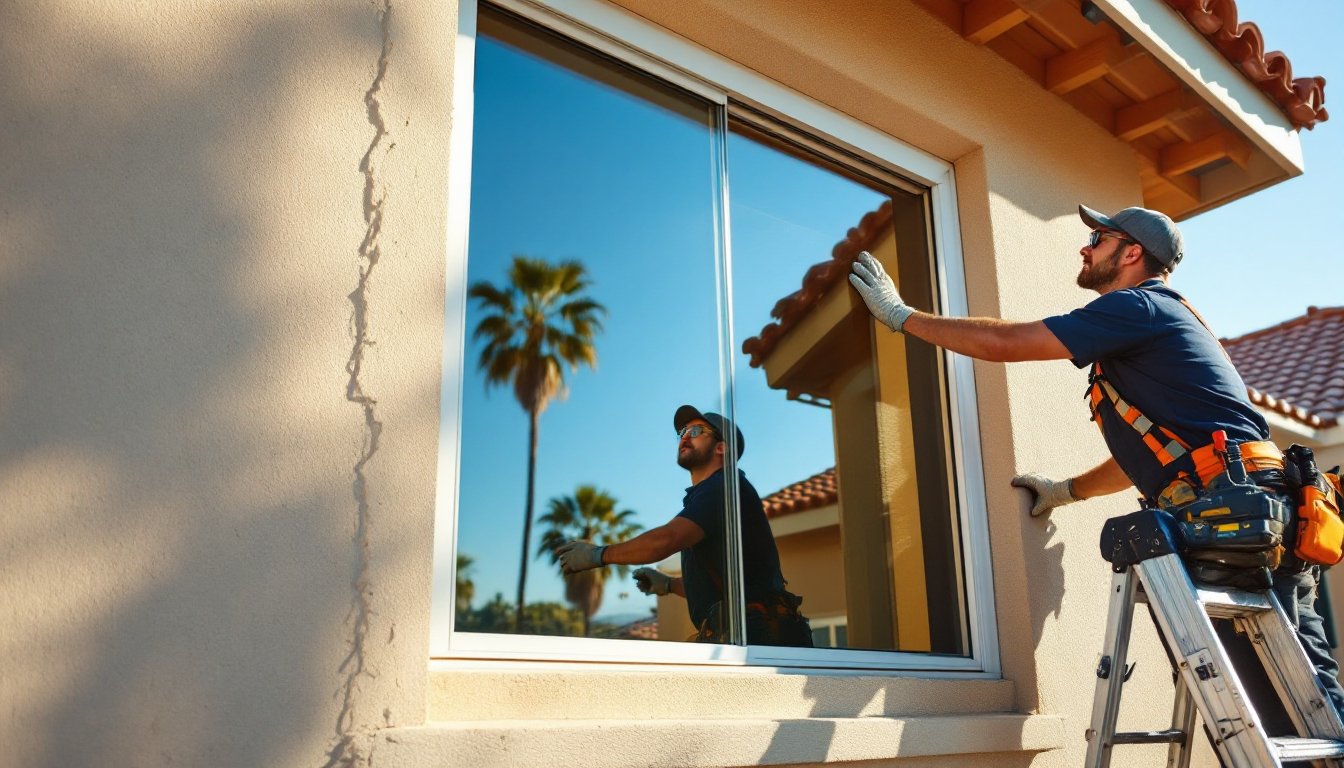
Los Angeles homeowners face a unique challenge when it comes to windows. The city’s blend of coastal humidity, Santa Ana winds, intense UV exposure, and seismic activity demands more from window systems than most other regions. Whether dealing with single-pane relics from the 1960s or failing vinyl frames that’ve baked in the SoCal sun for decades, replacement isn’t just about curb appeal, it’s about comfort, energy savings, and structural integrity. This guide walks through the specifics of window replacement los angeles projects, from permit requirements to cost breakdowns and climate-specific material choices that actually hold up in Southern California.
Table of Contents
ToggleKey Takeaways
- Window replacement in Los Angeles addresses critical climate challenges including coastal humidity, UV exposure, seismic activity, and Santa Ana winds that demand specialized window systems beyond curb appeal.
- Vinyl windows range from $450–$750 per window, while wood clad-windows cost $1,000–$1,800; material selection should prioritize fiberglass or vinyl for coastal areas and fiberglass for inland valleys prone to temperature swings.
- California Title 24 energy code requires windows with U-factor ≤ 0.30 and SHGC ≤ 0.23 for west-facing exposures in Los Angeles climate zones, making Low-E coated dual-pane glass essential for cooling cost reduction.
- Most window replacement projects in Los Angeles require permits from the Department of Building and Safety, with retrofit installations qualifying for over-the-counter permits ($200–$500) while full-frame replacements require engineered plans and higher fees.
- Professional installation is recommended for whole-house window replacement projects, as labor typically represents 40-50% of costs but includes permit coordination, inspections, and 5-10 year labor warranties that DIY projects cannot offer.
- Historic Preservation Overlay Zones (HPOZs) in neighborhoods like West Adams and Highland Park may require design review to ensure new windows match original profiles and materials, with denials possible if modern vinyl is proposed for historically wood-framed homes.
Why Los Angeles Homeowners Should Consider Window Replacement
Energy bills in Los Angeles can spike hard during summer months when HVAC systems fight against heat gain through outdated windows. Single-pane windows, still common in pre-1980s homes across neighborhoods from Silver Lake to Mar Vista, offer virtually no insulation value, with U-factors often above 1.0. That’s terrible performance for a climate where cooling costs dominate annual energy use.
Beyond efficiency, there’s the safety factor. Older aluminum-frame windows with their original hardware often lack proper locks or have corroded mechanisms. In a city where property crime remains a concern in certain areas, secure window systems aren’t optional. Modern windows come with multi-point locking systems and impact-resistant glazing options.
Noise reduction matters more than many realize until they experience it. Living near LAX flight paths, the 405, or other major corridors means constant drone. Dual-pane windows with laminated glass can cut exterior noise by 30-40 decibels, transforming indoor spaces.
Then there’s moisture and air quality. Coastal areas like Santa Monica and Venice deal with salt air that corrodes metal frames. Inland valleys face dust infiltration during wind events. Failed seals on old insulated glass units allow moisture between panes, creating that foggy look that screams “neglect” to potential buyers.
Understanding Window Replacement Costs in Los Angeles
Pricing for los angeles window replacement varies wildly based on material, size, installation complexity, and where in the county the property sits. Labor rates in West LA or Pasadena run higher than those in the Antelope Valley. Most companies quote per window, not per opening, so a large picture window with two flanking casements counts as three units.
General cost ranges as of 2026 for standard-size windows (roughly 3′ x 4′) including installation:
• Vinyl double-hung or slider: $450–$750 per window
• Aluminum frame (thermally broken): $600–$900 per window
• Fiberglass casement or awning: $800–$1,300 per window
• Wood or clad-wood double-hung: $1,000–$1,800 per window
• Custom shapes or large picture windows: $1,500–$3,500+ depending on size and glazing
These figures assume retrofit installation, removing the old window and installing a new frame into the existing opening without altering the stucco or siding. Full-frame replacement (tearing out to the studs) adds 20-40% to material and labor costs but is sometimes necessary for rot repair or code compliance.
Average Price Ranges by Window Type and Material
Vinyl remains the budget choice and works fine for many LA applications, especially in areas without extreme temperature swings. Quality matters, cheap vinyl will warp and discolor under UV within a decade. Look for AAMA Gold-certified products with welded corners, not mechanical fasteners.
Aluminum makes sense for modern or mid-century aesthetics but requires thermal breaks, an insulating barrier between interior and exterior metal, to prevent condensation and heat transfer. Non-thermally-broken aluminum is code-compliant only in limited applications now.
Fiberglass offers the best dimensional stability in Los Angeles’s temperature range. It won’t expand and contract like vinyl, and it accepts paint well if you want custom colors. Cost sits between vinyl and wood, with longevity closer to wood.
Wood and clad-wood windows suit historic districts and high-end remodels. Exterior aluminum or fiberglass cladding protects wood from weather while maintaining interior beauty. Expect higher maintenance and cost, but unmatched aesthetics and resale value in neighborhoods like Hancock Park or South Pasadena.
Project estimates provided by services like HomeAdvisor cost guides often align with these ranges but may not account for LA-specific permitting fees or seismic retrofit requirements in older homes.
Navigating Permits and Regulations for LA Window Projects
Most window replacements in Los Angeles do require a permit if you’re doing more than simple glass replacement. The City of Los Angeles Department of Building and Safety (LADBS) and individual municipalities like Burbank, Pasadena, or Santa Monica each have their own rules, but the baseline is similar: any alteration to an exterior opening, change in window size, or replacement affecting structural framing needs a permit.
Retrofit installations, where the new window fits into the existing frame opening without touching framing members, often qualify for over-the-counter permits. Expect fees around $200–$500 depending on project scope and valuation. If the work includes reframing, adding or removing headers, or altering stucco, the permit process becomes more involved and may require stamped plans from a licensed engineer, especially in hillside areas or older Unreinforced Masonry Buildings (URMs).
Energy code compliance is non-negotiable. California Title 24 mandates minimum U-factor and Solar Heat Gain Coefficient (SHGC) values. For Los Angeles (Climate Zone 6 and 9, depending on location), windows typically must meet:
• U-factor ≤ 0.30 for fixed and operable windows
• SHGC ≤ 0.23 for west-facing and certain south-facing exposures to limit cooling loads
Most dual-pane Low-E windows meet these thresholds easily, but verify with the manufacturer’s NFRC (National Fenestration Rating Council) label before purchase.
Historic overlay zones and Historic Preservation Overlay Zones (HPOZs) add another layer. Replacing windows in homes within these districts, common in areas like West Adams, Highland Park, and parts of Venice, may require design review to ensure new windows match original profiles, muntin patterns, and materials. Denials happen if modern vinyl windows are proposed for Craftsman bungalows where wood is historically accurate.
Inspections typically occur after installation. The inspector checks flashing, fastening to framing, and proper sealing. Failed inspections often result from inadequate weatherproofing or incorrect header support when openings were enlarged.
Choosing the Right Windows for Southern California Climate
Solar heat gain drives cooling costs in LA, so Low-E (low-emissivity) coatings are essential. These microscopic metallic layers reflect infrared light, keeping heat out in summer while allowing visible light through. For west- and south-facing windows, opt for Low-E² or Low-E³ coatings with SHGC values below 0.25. North-facing windows can use higher SHGC glass to allow passive solar gain during cooler months.
Dual-pane insulated glass is the standard, but triple-pane makes sense in canyon areas prone to temperature extremes or near commercial districts with high noise. The added weight requires sturdier frames and hinges, so casement and awning windows need commercial-grade hardware.
Argon or krypton gas fills between panes improve insulation without adding bulk. Argon is more common and cost-effective: krypton performs slightly better but costs 15-20% more. Both are inert, non-toxic, and won’t degrade window performance even if a small amount leaks over decades.
Frame material selection should account for exposure. Coastal homes within 3 miles of the ocean benefit from fiberglass or vinyl, aluminum corrodes unless it’s marine-grade with protective coatings. Inland valleys see temperature swings of 40°F between day and night: fiberglass handles that without warping.
Ventilation matters in a climate where natural cooling is possible much of the year. Casement and awning windows offer better airflow control than sliders or double-hungs. Awning windows can stay open during light rain, a real benefit during unpredictable winter storms.
According to research from Angi’s climate-specific guides, Southern California homeowners prioritize UV protection and security features more than insulation R-values, which makes sense given the mild winters and intense sun exposure.
DIY vs. Professional Installation: What LA Homeowners Need to Know
Window installation isn’t impossible for skilled DIYers, but it’s unforgiving work where small mistakes cause long-term problems. Retrofit installations, where the new window nests into the existing frame, are the most DIY-friendly. If the old frame is square, level, and rot-free, a homeowner with basic carpentry skills, a level, shims, and a caulk gun can handle it.
Tools required for a basic retrofit:
• Pry bar and utility knife for removing interior stops and sash
• Cordless drill with Phillips and Torx bits
• 4-foot level to check plumb and level
• Shims (composite or cedar) for alignment
• Caulk gun and polyurethane sealant for weatherproofing
• Oscillating multi-tool to trim jambs if needed
Full-frame replacements are a different beast. They require cutting stucco, removing the old frame down to the rough opening, verifying or rebuilding headers, applying proper flashing (self-adhering membranes plus metal cap flashing), and matching exterior finishes. Unless you’ve done several and understand stucco patching, waterproofing membranes, and load paths, hire a pro.
Permit compliance is another reason to go professional. Licensed contractors pull permits as part of the service and coordinate inspections. DIYers can pull their own permits, but dealing with LADBS plan check and scheduling inspections adds weeks to the project.
Labor savings from DIY can be significant, installation often represents 40-50% of total project cost, but factor in tool rental or purchase, time off work, and the risk of improper installation leading to water intrusion or failed inspections. For a single window, DIY might make sense. For whole-house replacement (10-15 windows), professional installation pays for itself in speed and warranty coverage.
Most reputable installers offer 5-10 year labor warranties plus to manufacturer material warranties (typically 20 years on glass, 10 years on hardware). That protection disappears with DIY. If a window leaks two years later due to improper flashing, the repair bill and any interior damage are on the homeowner.
Bob Vila’s window installation guides emphasize that even experienced DIYers should have a helper for windows larger than 3′ x 4′, these units weigh 60-90 pounds and are awkward to maneuver into openings, especially on second stories.
Conclusion
Window replacement in Los Angeles isn’t a straightforward commodity purchase. Climate demands, permitting layers, and the sheer variety of housing stock, from 1920s Spanish revivals to 1980s tract homes, mean every project has unique considerations. Prioritize energy performance and durability over initial cost, verify permit requirements with your local building department before ordering materials, and be honest about skill level before tackling installation. Done right, new windows deliver measurable comfort, lower bills, and decades of trouble-free service in one of the country’s most demanding climates.