Shopping for a Whirlpool refrigerator with an ice maker isn’t just about storage space and cold temps, it’s about getting a reliable appliance that fits your kitchen layout, delivers ice on demand, and doesn’t nickel-and-dime you on repair calls. Whirlpool’s been building fridges for decades, and their ice maker systems have evolved from clunky add-ons to integrated units that actually work. Whether you’re replacing a dead fridge or upgrading from a manual ice tray lifestyle, this guide walks through what matters: models worth considering, features that aren’t marketing fluff, and the installation and troubleshooting reality no one mentions in the showroom.
Table of Contents
ToggleKey Takeaways
- A Whirlpool refrigerator with an ice maker offers reliable performance with a 7-9% service call rate in the first five years, competitive pricing between budget and luxury brands, and excellent parts availability at local appliance shops.
- Top 2026 models like the WRF555SDHZ (French door) and WRS328SDHZ (side-by-side) produce 3-8 pounds of ice daily depending on configuration, with dual ice maker systems generating up to 10 pounds for larger households.
- Proper water line installation using compression tees, maintaining 20+ psi water pressure, and ensuring correct refrigerator leveling are critical for consistent ice production and preventing costly repairs.
- Ice maker maintenance requires quarterly bin cleaning, monthly dispenser nozzle wiping, and regular EveryDrop water filter replacement every 6 months to prevent mineral buildup and maintain ice quality.
- Common troubleshooting solutions like checking water supply valves, thawing frozen fill tubes with low heat, and replacing clogged filters resolve 80% of ice maker issues without service calls.
- Energy Star certified Whirlpool models add only $10-$15 yearly to electricity costs for ice making, while smart home integration and Sabbath Mode are convenient features on mid-range and higher models.
Why Choose a Whirlpool Refrigerator with an Ice Maker?
Whirlpool sits in the sweet spot between budget brands that fail in five years and luxury appliances that cost more than a used car. Their ice makers are factory-integrated, meaning fewer compatibility headaches than aftermarket kits. The brand uses a dual-valve water system in most models, which reduces the mineral buildup that kills cheaper units.
Reliability data matters here. Whirlpool’s average service call rate hovers around 7-9% in the first five years, which beats most competitors in the $1,200-$2,500 range. Parts availability is another practical win, local appliance shops stock Whirlpool components, so you’re not waiting three weeks for a $40 ice maker assembly to ship from a regional warehouse.
The ice production rate varies by model, but expect 3-5 pounds per day from standard in-door units and 6-8 pounds from dedicated in-freezer systems. That’s enough for a family of four with occasional entertaining. If you’re hosting regular gatherings, you’ll still want a countertop ice maker as backup.
Energy efficiency has improved. Most 2026 Whirlpool models with ice makers carry an Energy Star certification, which translates to roughly $50-$70 annual electricity cost for the whole unit. The ice maker itself adds about $10-$15 yearly, mostly from the defrost cycle that keeps the mechanism from freezing solid.
Top Whirlpool Ice Maker Models to Consider in 2026
French Door Models
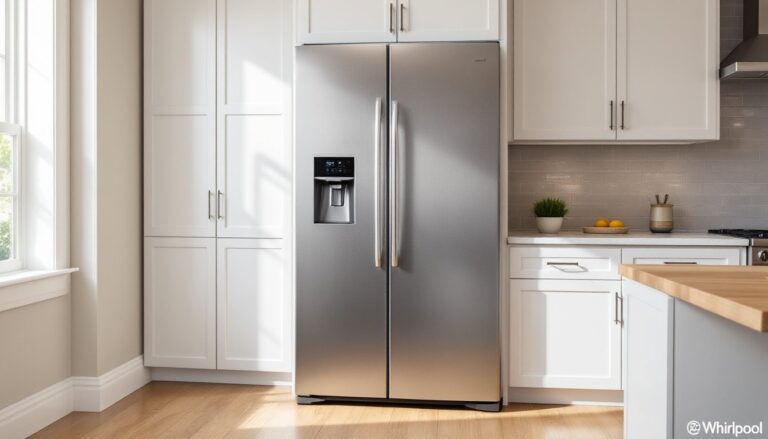
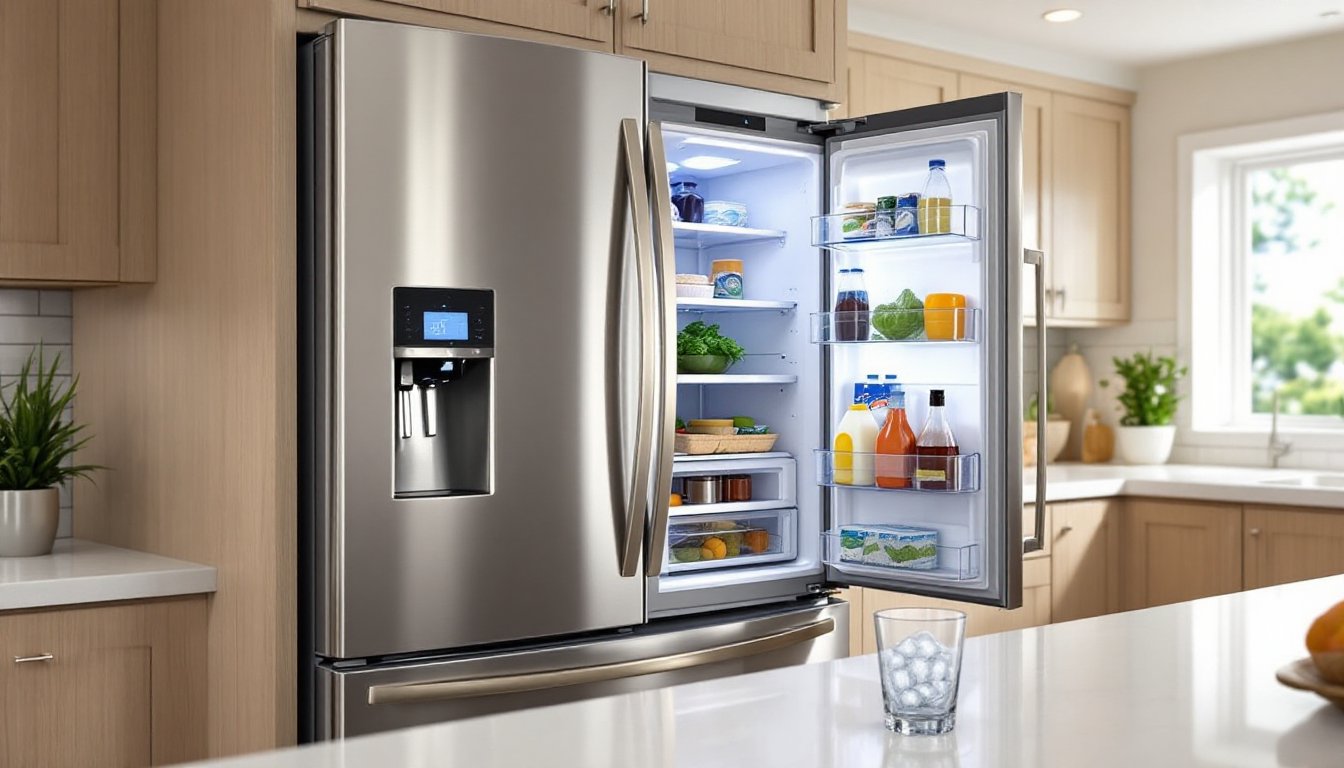
The WRF555SDHZ (25 cu. ft.) dominates the mid-range French door category. It features an in-door ice system that frees up freezer space, you gain about 2 cubic feet compared to traditional in-freezer designs. The ice dispenser sits at a comfortable height for filling water bottles without stooping. Shelf configuration uses Whirlpool’s adjustable gallon door bins and a full-width pantry drawer that actually fits a sheet pan.
One step up, the WRF757SDHZ (27 cu. ft.) adds a dual ice maker system, one in the door, one in the freezer. This setup produces around 10 pounds of ice daily, which handles larger households or frequent entertaining. The freezer ice maker is removable if you’d rather reclaim that space for frozen goods. Both models use LED lighting with theater-style dimming, which sounds gimmicky but genuinely helps when you’re digging for leftovers at night.
French door units require a 36-inch width opening. Measure your doorways before ordering, these don’t disassemble like side-by-sides, and you can’t remove the doors without voiding some warranties. Counter depth versions exist (WRF540CWHZ) but sacrifice about 3-4 cubic feet of interior space.
Side-by-Side Options
The WRS325SDHZ (25 cu. ft.) offers the most ice storage in a side-by-side format, the in-door bin holds about 4 pounds. Side-by-sides work better in narrow kitchens where French door swing clearance is tight. The vertical split means you can grab frozen items with one hand and fresh items with the other, which matters when you’re cooking.
Recent testing from appliance reviewers shows side-by-side models maintain more consistent freezer temps than French doors, especially in the top and bottom corners. This matters for ice quality, temperature swings cause clumping and off-flavors.
The WRS588FIHZ (28 cu. ft.) upgrades to an external water/ice dispenser with a measured fill feature. You set the volume (in ounces or cups), and it auto-stops. That’s useful for recipe prep or filling sports bottles. This model also includes Whirlpool’s Accu-Chill temperature management system, which uses sensors to adjust cooling based on load and usage patterns. In practice, it prevents the over-freezing that causes ice cream to turn into concrete.
Key Features to Look for in Your Whirlpool Ice Maker Refrigerator
Water filtration is non-negotiable. Whirlpool uses EveryDrop filters (formerly branded as Whirlpool-specific) that meet NSF 401 standards for contaminant reduction. These filters last about 6 months or 200 gallons. Budget $50-$60 per replacement. Aftermarket filters exist and cost less, but they don’t always meet the same certification, worth it for drinking water, less so for appliances you want to last 12+ years.
Ice maker location affects both usability and maintenance. In-door systems are easier to access but harder to deep-clean. In-freezer models collect less dust but require removing frozen goods to troubleshoot. Dual systems give redundancy, if one fails, you’re not completely without ice.
Dispenser height matters more than spec sheets suggest. Measure from the floor to the dispenser opening. Standard height is 40-42 inches, which works for most adults but can be awkward for kids or anyone in a wheelchair. Some Whirlpool models (like the WRS571CIHZ) offer a lower dispenser at 38 inches.
Look for audible and visual alerts for filter changes and ice bin removal. Whirlpool’s mid-range and up models include dashboard indicators. Cheaper units rely on a manual calendar reminder, which nobody actually follows.
Sabbath Mode appears on most newer Whirlpool fridges. It disables lights, alarms, and dispenser controls for religious observance. If you don’t need it, the feature doesn’t hurt, but it’s worth knowing it exists, accidentally triggering it can make your fridge seem broken.
Many modern Whirlpool refrigerators now integrate with smart home systems, allowing remote temperature monitoring and diagnostics through Wi-Fi connectivity. This isn’t essential, but it’s helpful for catching issues before they become expensive repairs.
Installation and Maintenance Tips for Whirlpool Ice Makers
Water line installation requires a dedicated 1/4-inch copper or braided stainless supply line running from a cold water source. Most installs tap into the sink’s shutoff valve using a saddle valve or compression tee. Saddle valves are easier for DIYers but prone to leaks after 5-7 years. A compression tee costs $12 more and lasts indefinitely.
Whirlpool recommends a minimum 20 psi water pressure, but over 120 psi requires a pressure regulator. You can test your home’s pressure with a $15 gauge from any hardware store, thread it onto an exterior hose bib and turn on the water. If you’re over 100 psi, install a regulator at the fridge’s shutoff valve.
Leave 2 inches of clearance behind the unit for the water line and power cord. Pinched lines cause flow restrictions that reduce ice production and can split during freeze-thaw cycles. Use a water line installation kit (Whirlpool part W10819674) that includes the proper compression fittings and ferrules. Don’t improvise with random hardware store fittings, different metals cause galvanic corrosion.
Leveling the refrigerator is critical for ice maker function. Use a 24-inch level on top of the unit, front to back and side to side. Adjust the front leveling legs until the fridge tilts slightly backward (about 1/4 inch over 24 inches). This ensures the doors self-close and prevents water from pooling in the ice maker tray.
For routine maintenance, clean the ice bin every 3-4 months with warm water and mild dish soap. Don’t use bleach or harsh cleaners, residue affects ice taste. Wipe down the ice chute and dispenser nozzle monthly to prevent mold buildup. Replace the water filter on schedule, a clogged filter reduces water flow to the ice maker and can cause the unit to stop producing ice entirely.
If your home has hard water, consider installing an inline sediment filter before the fridge’s main filter. This extends the life of the EveryDrop filter and reduces mineral buildup in the ice maker mechanism. Many kitchen appliance guides recommend this for homes with well water or municipal supplies with high mineral content.
Troubleshooting Common Ice Maker Issues
No ice production usually points to one of three causes: water supply, frozen fill tube, or a failed ice maker assembly. Start simple, check that the water shutoff valve is fully open and the supply line isn’t kinked. Pull the fridge out and inspect the line for pinches or ice blockages.
If water reaches the fridge but the ice maker stays silent, the fill tube may be frozen. This happens when the freezer temp drops below 0°F or when humid air enters during frequent door openings. Unplug the fridge, remove the ice maker assembly (usually two screws and a wire harness), and use a hairdryer on low heat to thaw the fill tube. Don’t rush this, high heat cracks plastic.
Small or hollow ice cubes indicate low water pressure or a clogged filter. Replace the filter first (even if it’s not due, filters can fail early). If that doesn’t fix it, check the water pressure at the shutoff valve. If it’s below 20 psi, you’ll need a booster pump or to address upstream plumbing issues.
Ice tastes bad is almost always a stale filter or contaminated ice bin. Change the filter and dump the existing ice. Run three full ice maker cycles and discard that ice, it’ll flush any residual taste from the system. If the problem persists, check your home’s water quality. Sulfur, iron, or algae in well water will carry through to the ice.
Ice maker won’t stop making ice points to a faulty shutoff arm or optical sensor (depending on your model). Mechanical arms can get stuck in the down position: gently lift and lower it to reset. Optical sensors get dirty, wipe the sensor window with a soft cloth. If neither works, you’re looking at a $60-$120 ice maker assembly replacement.
Most Whirlpool ice maker parts are designed for homeowner replacement. You’ll need a 1/4-inch nut driver, a flat-head screwdriver, and about 20 minutes. YouTube has model-specific teardown videos. If you’re not comfortable with that, a service call runs $150-$200 for diagnosis plus parts.
Safety note: Always unplug the refrigerator and shut off the water supply before working on ice maker components. Water and electricity are a bad combination, and even “off” fridges can have live voltage to the ice maker circuit.